The first minutes after a collision can be stressful. A short checklist helps you protect people first and preserve accurate information for an insurance claim.
1. Make the scene safe
Check for injuries and call emergency services when needed. Follow local rules about moving vehicles and reporting a crash. Do not enter traffic to take photographs.
2. Record facts, not guesses
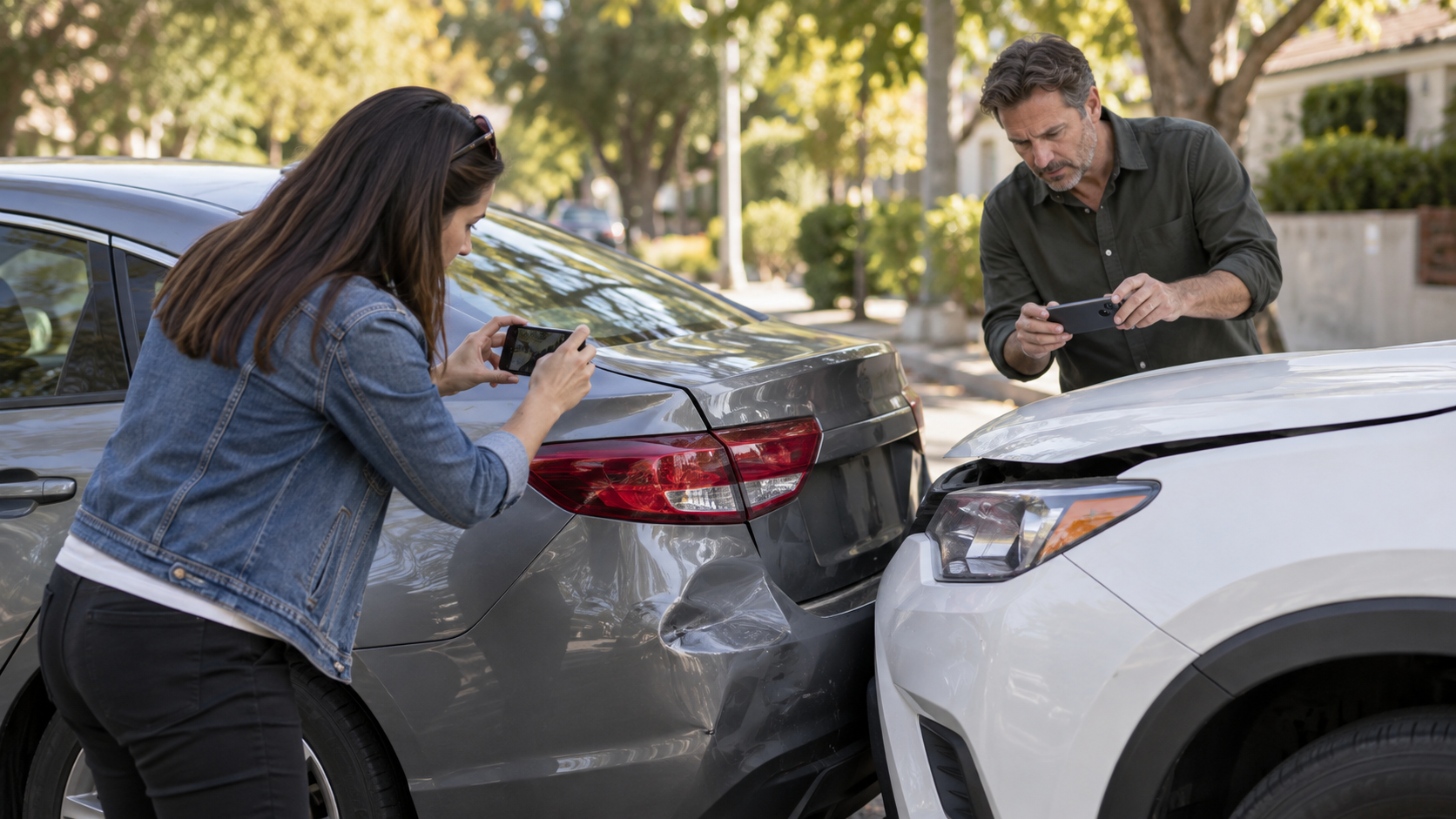
Exchange the information required locally with the other driver. Note the time, location, vehicle details, witnesses, and weather. Photograph the vehicles and surroundings from a safe position. Avoid speculating about fault at the scene; give factual information to the insurer and authorities.
3. Contact the insurer
Report the incident as soon as your policy requires, even if the damage appears minor. Ask about the claim number, documentation, repair estimates, rental coverage, and whether an adjuster needs to inspect the vehicle before repairs begin.
4. Keep a file
Save receipts, photos, messages, medical records if relevant, and notes from calls. Read any proposed settlement carefully before accepting it. If a decision seems inconsistent with your policy, ask for a written explanation and the insurer’s review process.
Rules and deadlines differ by location and contract, so use your policy and local authority guidance for the precise steps.
Educational information only. Coverage, exclusions, prices, and legal requirements depend on your policy and location. Read your policy and ask a licensed professional or insurer about your situation.